Belt Conveyors
A belt conveyor is the simplest way to move large volumes of bulk material continuously, and in most plants it’s the backbone of horizontal transport. Oresys designs and builds belt conveyors for mining, cement, gypsum, lime, food and general industry, sized around your material, capacity and route so they run reliably shift after shift.
How a Belt Conveyor Works
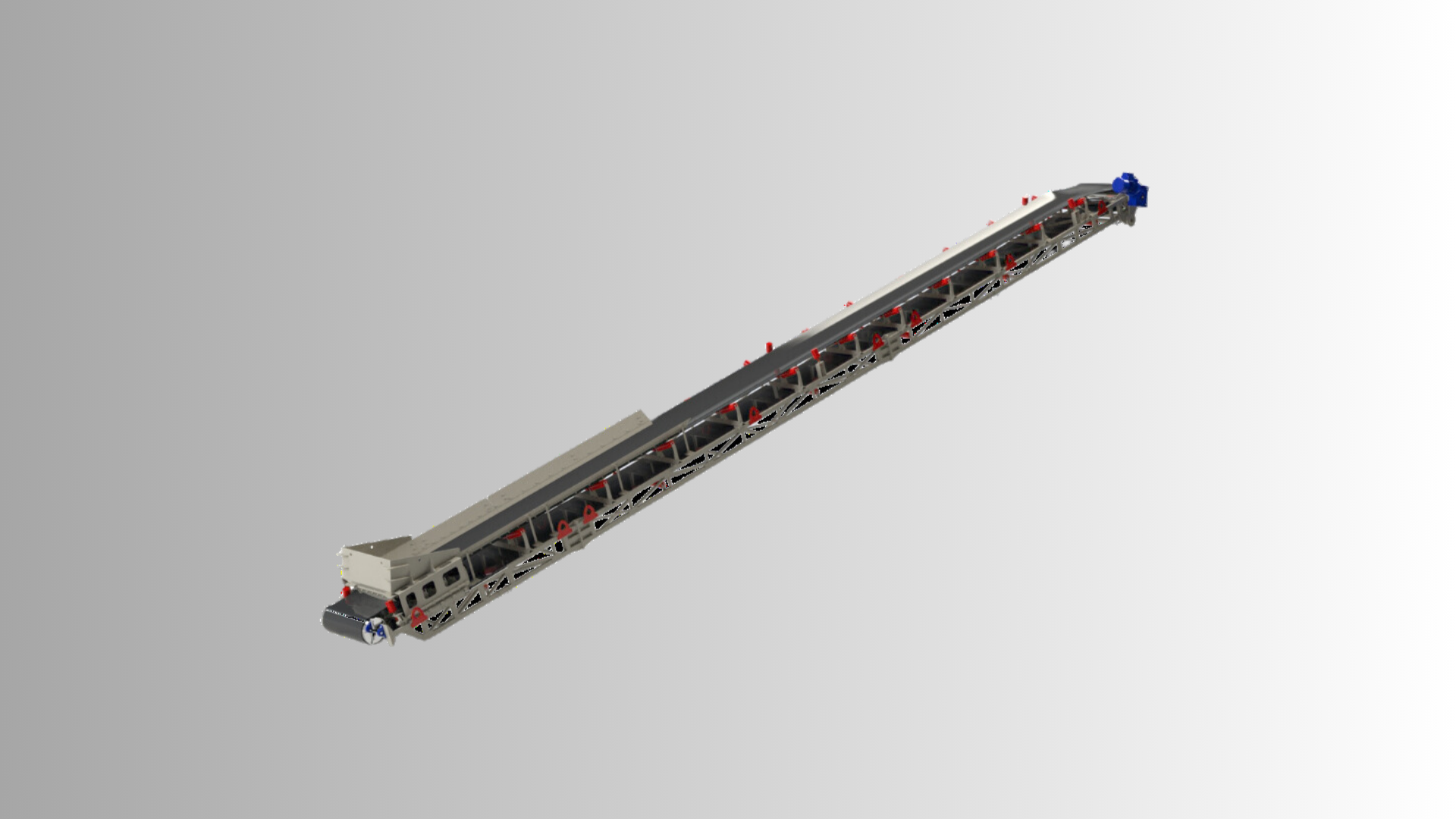
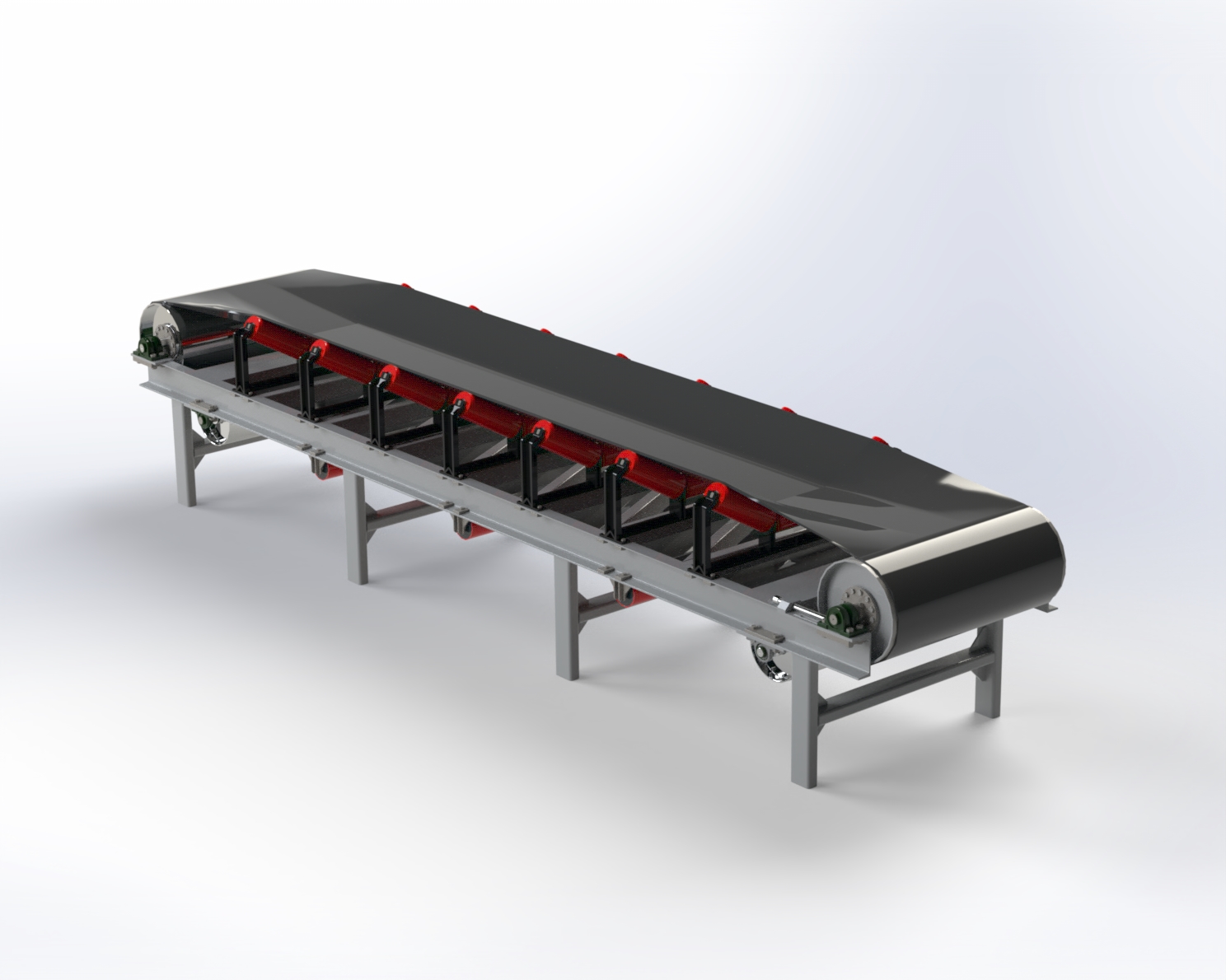
An endless belt runs between a drive pulley and a tail pulley, supported along its length by idlers. Material is loaded at the tail end through a chute or feeder and carried to the discharge point. Belt width, belt speed and troughing angle together set the capacity, while the drive is sized for the load, length and any incline.
Where Belt Conveyors Are Used
- Mining – ore transfer from crushers to stockpiles and process plants
- Cement plants – limestone, clinker, gypsum and additive transport
- Gypsum and lime plants – feeding mills, kilns and storage
- Food and packaging – gentle, continuous product handling
- Logistics and storage – loading, unloading and stock movement
Advantages of Oresys Belt Conveyors
- High capacity: moves large volumes over short or long distances
- Low energy use: efficient drive selection for the actual load
- Flexible layout: horizontal or inclined routes, open or enclosed designs
- Low product damage: smooth transport for friable materials
- Easy maintenance: simple design with accessible idlers, pulleys and scrapers
What We Need to Size Your Belt Conveyor
- Material type, bulk density and lump size
- Required capacity (t/h)
- Conveying length and any incline
- Material temperature and abrasiveness
- Indoor or outdoor installation, dust and weather protection needs
Frequently Asked Questions
What is a belt conveyor used for?
It carries bulk material continuously between two points, for example from a crusher to a stockpile, between process stages or into storage.
How is belt conveyor capacity calculated?
Capacity depends on belt width, belt speed, troughing angle and the bulk density of the material. We calculate it from your material data and required tonnage.
Can a belt conveyor run on an incline?
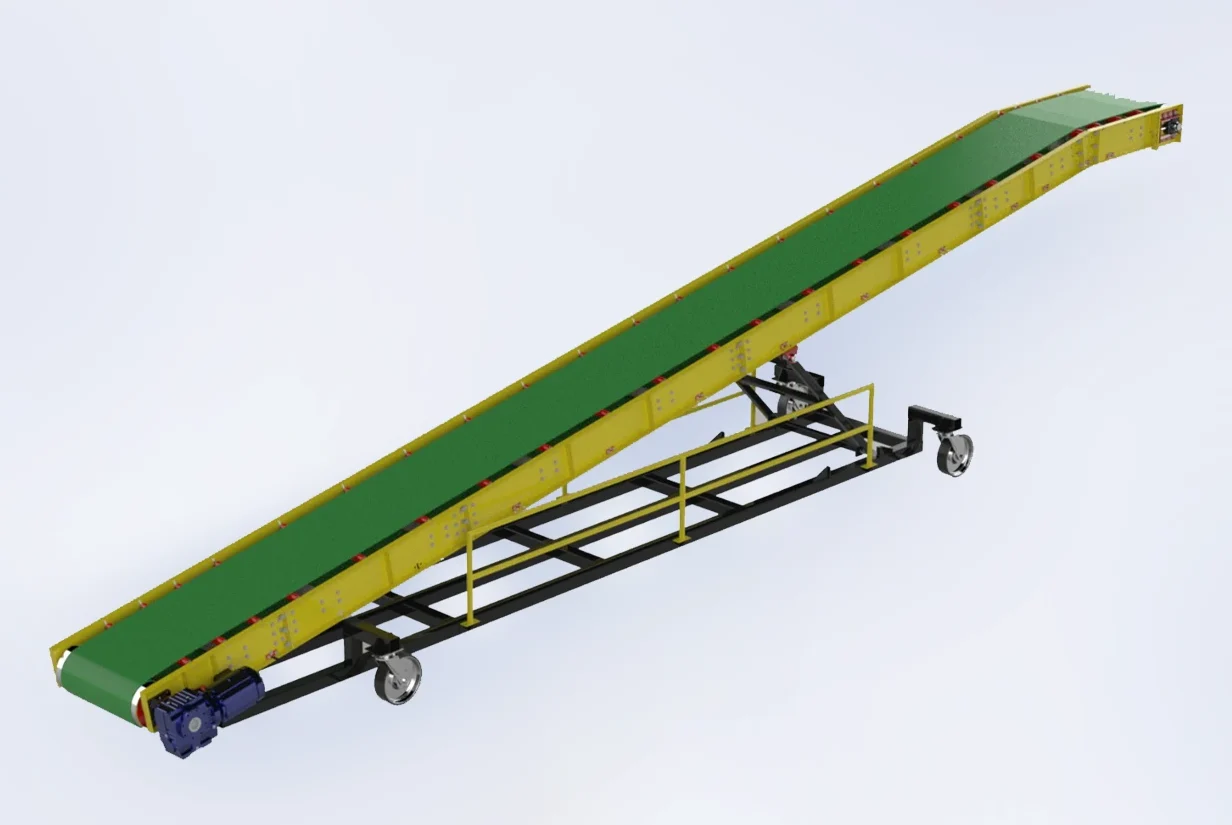
Yes. Inclined belt conveyors are common. The maximum angle depends on the material; steeper lifts may need a bucket elevator or Z-belt conveyor instead.
Can you supply enclosed belt conveyors?
Yes. Covers and enclosures reduce dust, protect material from weather and are often used for fine or dusty products.
Send Your Questions and Requests:
Contact Us Now
Our team is always ready to answer your questions and provide the best support for your needs.

