
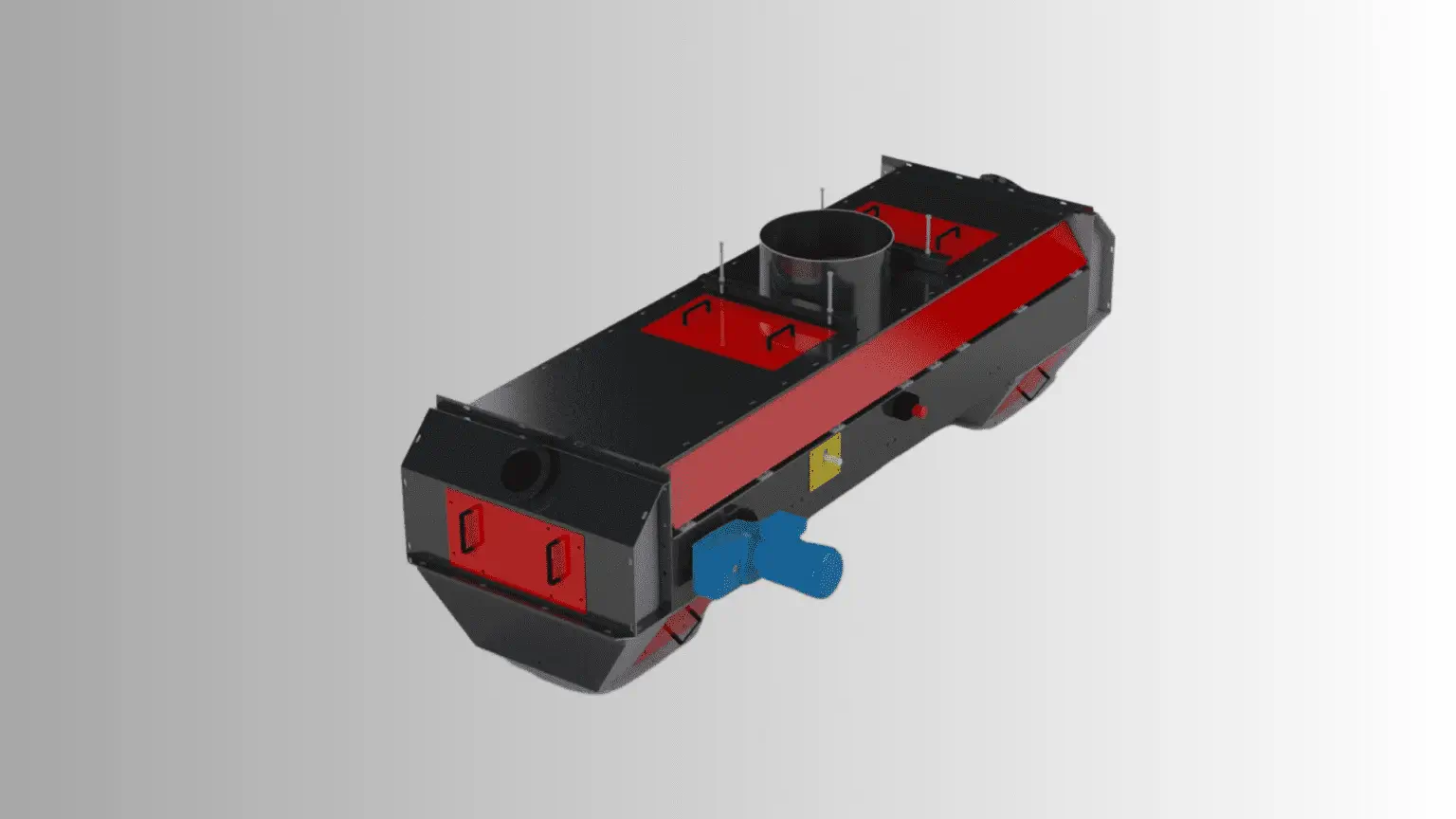
Weighing Belt Conveyors
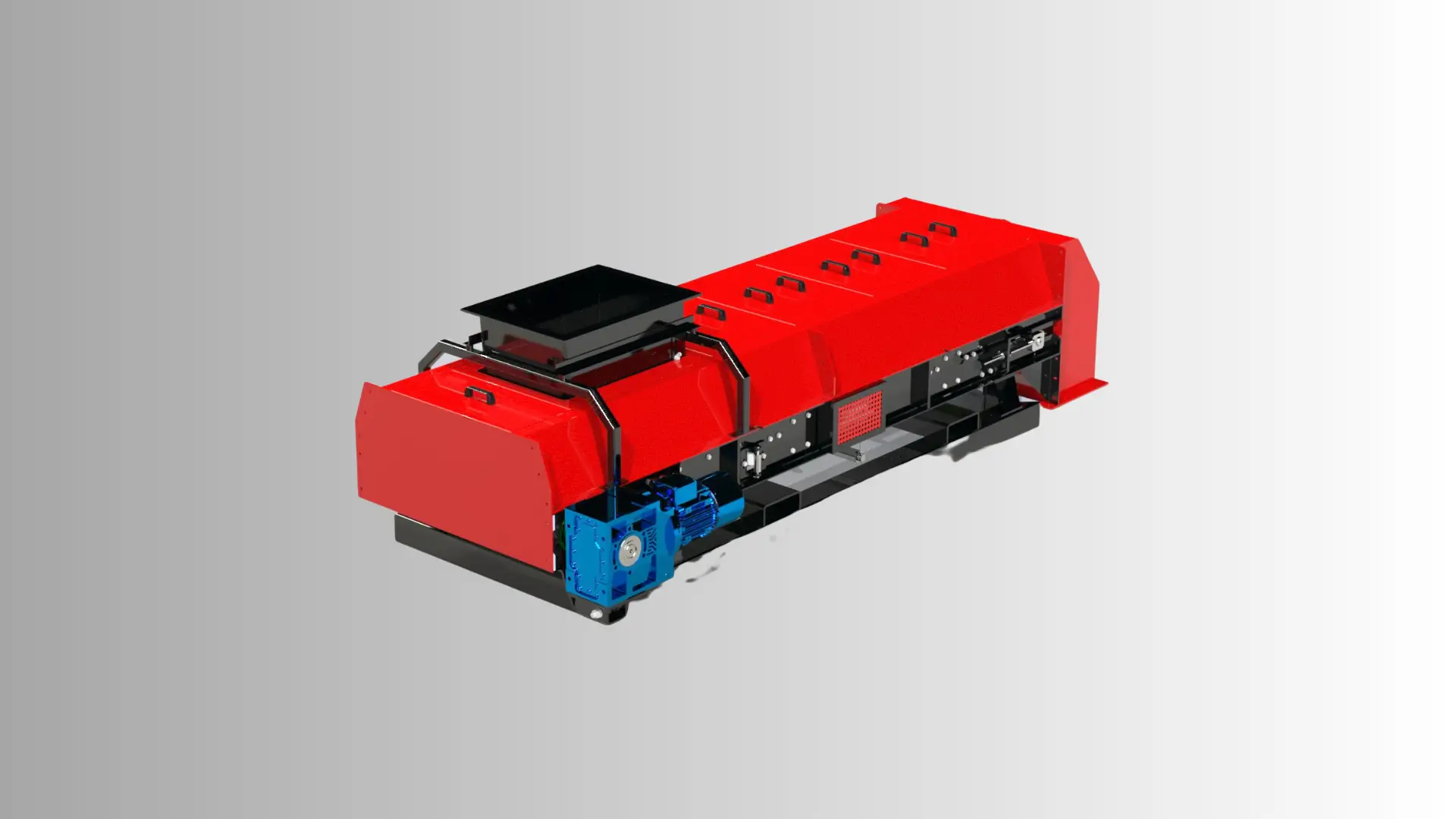
A weighing belt conveyor (weigh feeder) transports bulk material and measures it at the same time. Oresys weighing belt conveyors give cement, mining, chemical and food plants accurate, continuous flow data and feed control without slowing down production.
How a Weighing Belt Conveyor Works
A short belt conveyor runs over a weighing section supported by load cells. The load cells measure the weight of material on the belt, a speed sensor measures belt speed, and the controller multiplies the two to calculate flow rate in real time. In dosing mode, the controller adjusts belt speed to keep the feed at the set point.
How to Calibrate a Weighing Belt Conveyor
Calibration usually involves a zero check with the belt running empty, a span check with test weights or a known material quantity, and comparing the totaliser with a reference weight. Regular checks of belt tension, tracking and build-up on the weighing section keep accuracy consistent over time.
Where Weighing Belt Conveyors Are Used
- Cement plants – raw mill and cement mill feed proportioning
- Mining – ore throughput measurement and process feed
- Lime and gypsum plants – controlled kiln and mill feed
- Chemical and food plants – ingredient dosing
Advantages of Oresys Weighing Belt Conveyors
- Accurate, continuous weighing during transport
- Automatic feed rate control
- Better inventory data through totalised weights
- Less waste and labour thanks to automation
- Control system integration
What We Need to Size Your Weighing Belt Conveyor
- Material type, bulk density and particle size
- Feed rate range (t/h or kg/h)
- Required accuracy
- Inlet arrangement (silo, hopper, feeder)
- Control interface
Frequently Asked Questions
What is a weighing belt conveyor?
It’s a conveyor with load cells and a speed sensor that continuously measures and controls the flow of bulk material.
How accurate is a weighing belt conveyor?
Accuracy depends on design, installation and calibration. Contact us with your application and we’ll advise on the achievable accuracy.
How often should it be calibrated?
It depends on duty and material, but zero checks are typically done often and span calibration at regular intervals.
Send Your Questions and Requests:
Contact Us Now
Our team is always ready to answer your questions and provide the best support for your needs.

