
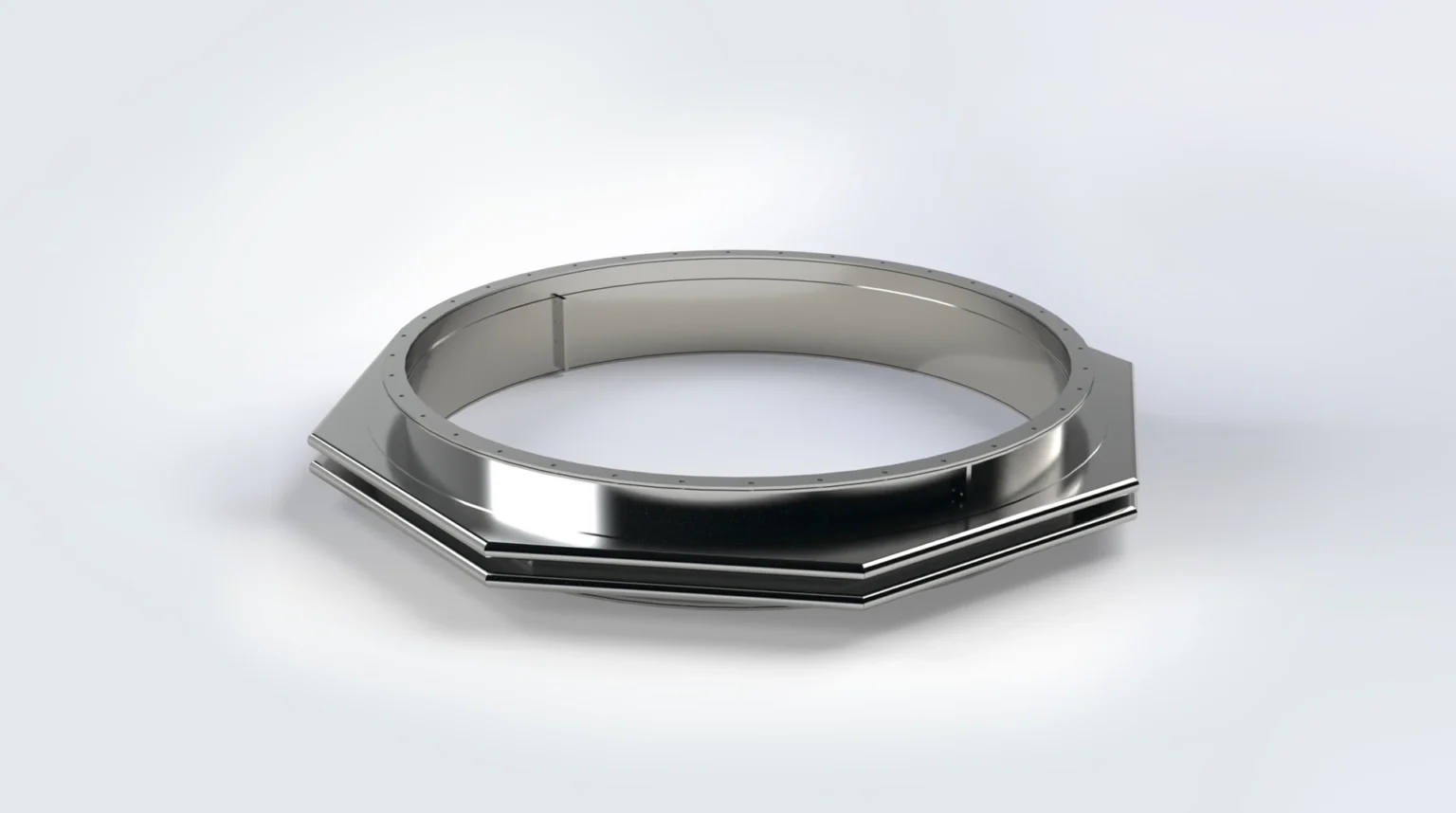
Steel Compensators
Hot ducts and pipelines grow when they heat up and shrink when they cool. Without somewhere for that movement to go, it ends up as stress on fans, filters, flanges and supports. Oresys steel compensators (metal expansion joints) absorb thermal expansion and vibration so the rest of your system doesn’t have to.
How a Steel Compensator Works
A steel compensator has a flexible corrugated (bellows) section between two connection ends. As the duct or pipe expands, contracts or vibrates, the bellows flexes axially, laterally or angularly, depending on the design, and takes up the movement. Materials and wall thickness are chosen for the gas temperature, pressure and chemistry.
Where Steel Compensators Are Used
- Cement plants – kiln, preheater, mill and filter ducting
- Fan inlets and outlets – isolating vibration from ductwork
- Dust collector and baghouse connections
- Hot gas and exhaust lines in mining and industrial plants
- Compressed air and process pipelines
Advantages of Oresys Steel Compensators
- Absorbs thermal expansion in hot ducts and pipes
- Reduces vibration transfer from fans and machinery
- Protects equipment: less stress on flanges, supports and connected machines
- Handles temperature and pressure swings
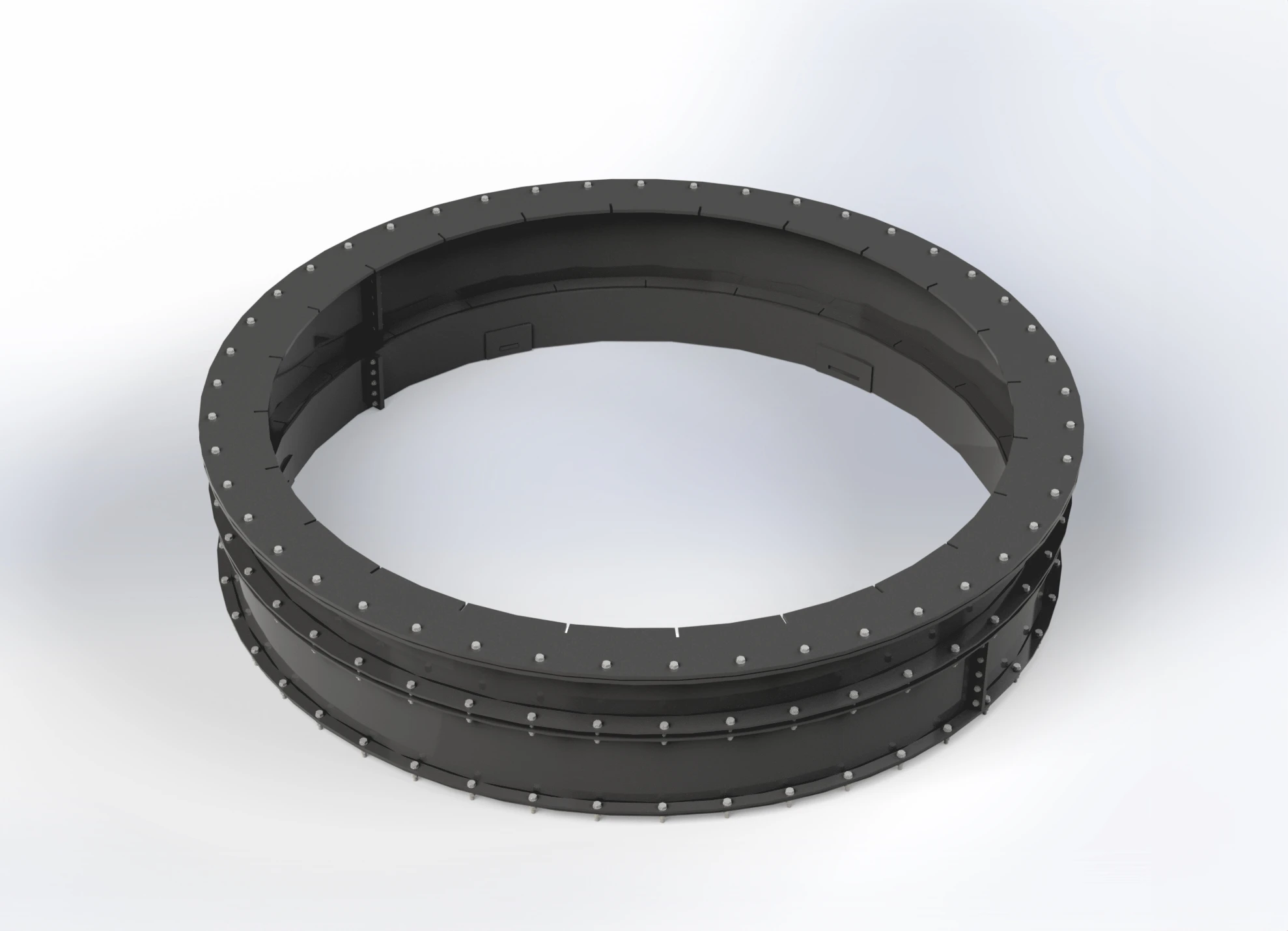
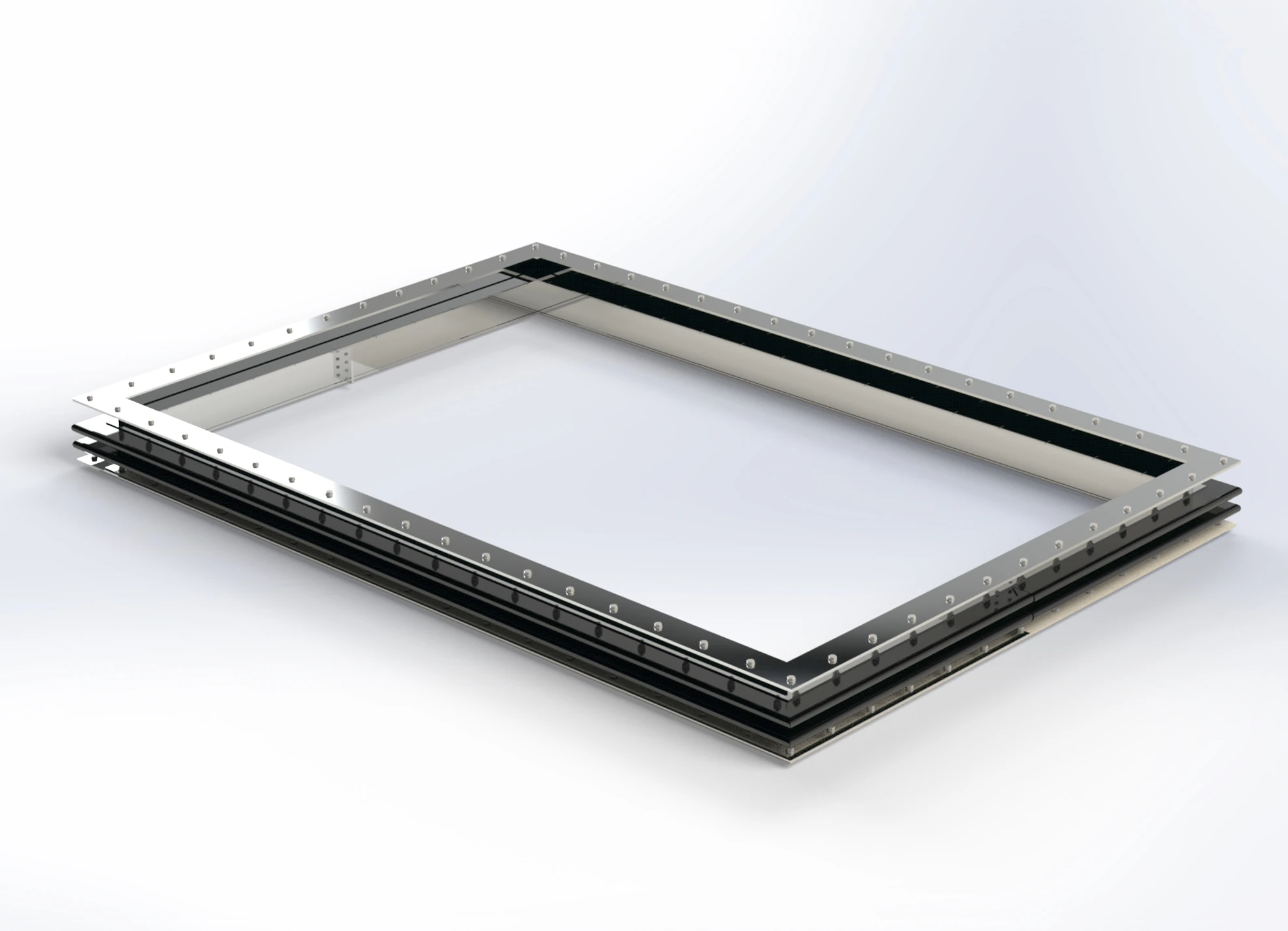
- Custom sizes: round or rectangular to match your ducting
What We Need to Size Your Steel Compensator
- Duct or pipe size and shape (round or rectangular)
- Operating temperature and pressure
- Expected axial, lateral and angular movement
- Medium (air, flue gas, dust-laden gas)
- Connection type (flanged or welded)
Frequently Asked Questions
What is a steel compensator?
It’s a metal expansion joint with a flexible bellows that absorbs thermal expansion, contraction and vibration in ducts and pipelines.
Where should compensators be installed?
Typically between fixed points in hot ductwork, and at fan or equipment connections where vibration must be isolated.
Metal or fabric expansion joint?
Metal compensators suit higher pressures and well-defined movements. Fabric joints handle larger movements at low pressure. The right choice depends on your duct conditions.
Send Your Questions and Requests:
Contact Us Now
Our team is always ready to answer your questions and provide the best support for your needs.

